
Views: 194 Author: Site Editor Publish Time: 2025-06-20 Origin: Site

Plastic castors are a crucial component in many industrial, commercial, and household applications. From medical trolleys to office chairs and warehouse carts, these compact wheels are often taken for granted—until they break down. To avoid frequent replacements and costly downtime, proper maintenance of plastic castors is essential. This article provides a comprehensive guide on how to prolong the life of your plastic castors through practical, effective maintenance strategies.
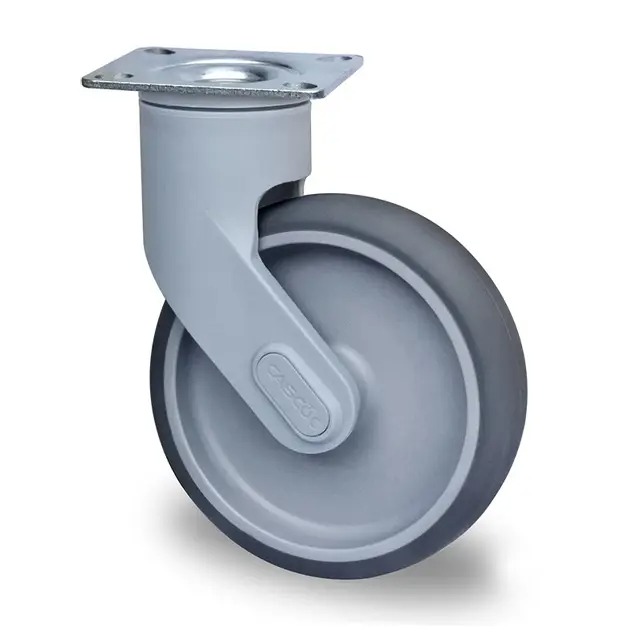
Before diving into maintenance practices, it’s important to understand what plastic castors are and how they function. Plastic castors are small wheels made from durable polymers like nylon, polypropylene, or polyurethane. They are often mounted on a metal or plastic frame and connected to the base of equipment to allow mobility.
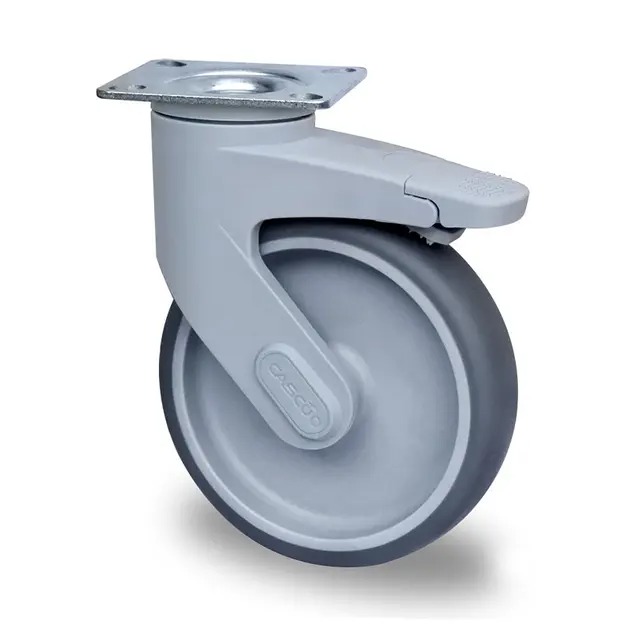
There are two main types of plastic castors: swivel castors, which rotate 360 degrees for flexible movement, and rigid castors, which only move forward and backward. Their internal components—such as ball bearings, axles, and mounting plates—are subject to stress, wear, and contamination over time.
Neglecting basic upkeep can lead to common issues like wobbling, locking failures, or even breakage. Therefore, understanding the design and material properties of your castors will help you tailor maintenance methods accordingly.
Preventive maintenance begins with regular visual and functional inspections. A proactive inspection schedule—say, once a month—helps identify early signs of damage before they escalate. Here’s what to look for during your inspection:
| Component | What to Check | Why It Matters |
|---|---|---|
| Wheels | Cracks, chips, flat spots | Reduces mobility and causes jamming |
| Axles & Bolts | Rust, bending, or looseness | May cause wheel misalignment |
| Bearings | Dirt accumulation, resistance in rotation | Affects smoothness and maneuverability |
| Mounting Plate | Secure attachment, signs of corrosion | Prevents sudden detachment |
Always use appropriate tools such as wrenches, screwdrivers, and brushes during inspection. Lubricate if necessary and replace damaged parts promptly to prevent further deterioration.
Dirt, hair, dust, and other debris are common enemies of plastic castors. If not regularly cleaned, these elements can clog bearings, scratch surfaces, and add extra friction during movement. That’s why cleaning should be part of your routine maintenance.
Start by removing the castors from the equipment if possible. Use a soft brush or cloth to wipe off loose debris. For thorough cleaning, a solution of mild soap and warm water works well. Avoid using abrasive cleaners or solvents that could weaken the plastic material.
If your castors have metal components, dry them thoroughly after cleaning to prevent rust. Once clean, apply a silicone-based lubricant to the bearings and axles. Avoid using oil-based lubricants, as they tend to attract more dirt. A well-lubricated, clean castor not only lasts longer but also ensures smooth and silent operation.
One of the most overlooked factors in castor maintenance is load capacity. Every plastic castor has a maximum load rating, and exceeding this limit puts undue stress on the wheel structure, bearings, and mounting hardware.
Let’s say a cart has four plastic castors, each with a load capacity of 50 kg. The total maximum load should not exceed 200 kg—including the cart’s own weight. Uneven distribution of this weight can cause one or more castors to bear more load than others, leading to premature failure.
To prevent overloading:
Distribute weight evenly across all castors.
Avoid high-speed movement over rough surfaces.
Use larger castors or additional wheels for heavier loads.
Monitoring weight and load balance helps avoid flat spots, cracking, and wheel lock-up. This simple but often neglected practice can drastically increase the lifespan of your plastic castors.
Plastic castors may be durable, but they are not invincible. Harsh environmental conditions such as extreme heat, moisture, or chemical exposure can degrade plastic over time. For instance, constant exposure to sunlight can cause certain plastics to become brittle, while humid conditions promote rust in metal components.
If your equipment is stored outdoors or in a corrosive environment, consider the following precautions:
Choose castors with UV-resistant or weather-resistant materials.
Apply anti-corrosion sprays on metal parts.
Store equipment on elevated surfaces to prevent ground moisture absorption.
Avoid prolonged exposure to oil, grease, and strong solvents.
By controlling the operating environment and taking preventive steps, you create a more favorable condition for castor longevity.
Let’s address some frequently asked questions that users often have about maintaining plastic castors:
Q1: How often should I lubricate plastic castors?
A: For average use, lubrication every 2–3 months is sufficient. In industrial environments, inspect and lubricate monthly.
Q2: Can I replace just one damaged castor?
A: Yes, but make sure the new castor matches in size, load capacity, and mounting type to maintain stability.
Q3: Are plastic castors better than metal ones?
A: Plastic castors are lightweight, corrosion-resistant, and ideal for indoor use. However, metal castors are better suited for extreme loads and rugged terrain.
Q4: What’s the lifespan of a plastic castor?
A: With proper maintenance, a high-quality plastic castor can last several years under normal conditions.
Q5: Can I use plastic castors on carpeted floors?
A: Yes, but make sure the wheel design is wide enough to prevent sinking into the carpet.
These FAQs not only offer clarity but also empower users to make informed decisions when maintaining or replacing castors.
Plastic castors are often unsung heroes in the world of mobility, quietly performing vital functions every day. Whether in a hospital ward or a factory floor, they bear the brunt of movement, load, and friction. A bit of regular care—through inspection, cleaning, weight management, and environmental control—goes a long way in ensuring their efficiency and longevity.
Don’t wait for your plastic castors to fail before taking action. Implement these maintenance tips today and enjoy smoother operation, longer service life, and fewer replacements.

