
Views: 179 Author: Site Editor Publish Time: 2025-06-16 Origin: Site

Plastic castors are often overlooked in favor of their heavier-duty metal counterparts. However, for light-duty applications—ranging from office chairs to medical carts and display units—plastic castors play a pivotal role in providing smooth, quiet, and efficient movement. But how exactly do plastic castors enhance mobility? Let’s dive deep into the benefits, engineering features, and usage scenarios that highlight why plastic castors are essential components in many industries.
Plastic castors are wheel-and-mount systems made primarily from durable polymers such as polypropylene (PP), polyurethane (PU), or nylon. These wheels are attached to the bottom of a wide array of equipment or furniture to facilitate easy movement across surfaces. While they may not bear as much weight as heavy-duty steel or rubber wheels, their lightweight construction and resistance to corrosion make them ideal for light-duty tasks.
One defining feature of plastic castors is their combination of maneuverability and quiet operation. Unlike metal castors that often cause noise on hard flooring, plastic castors glide smoothly and silently, making them perfect for environments that require minimal disruption, such as libraries, hospitals, and offices. Additionally, plastic materials reduce friction and prevent floor damage, further extending their utility.
Their affordability is another strong point. For businesses and institutions requiring large quantities of mobile equipment, plastic castors offer a cost-effective solution that doesn’t compromise on essential mobility functions. Furthermore, their adaptability means they come in various sizes, mounting styles, and load capacities, offering designers flexibility in equipment design.
When evaluating the efficiency of mobility systems in environments like retail, healthcare, or education, plastic castors consistently outperform expectations. Here’s why they shine:
Plastic castors are inherently lightweight due to their polymer composition. This makes them easier to transport, install, and maintain compared to metal options. Their low weight doesn’t just reduce the burden on the underlying equipment—it also ensures safer handling during setup or relocation.
Unlike metal castors, plastic ones are immune to rust. This is particularly beneficial in humid environments, such as food storage areas, where moisture might degrade traditional wheels. The resistance to oxidation ensures longevity and fewer replacements over time.
Plastic castors are gentle on flooring surfaces. Whether rolling over tile, wood, or laminate, they minimize scratching and denting. For facilities with sensitive flooring, such as cleanrooms or art galleries, this feature is invaluable.
Noise reduction is a top priority in many modern workspaces. Plastic castors operate almost silently, significantly reducing ambient noise and contributing to a more peaceful environment—especially in hospitals, libraries, or educational facilities.
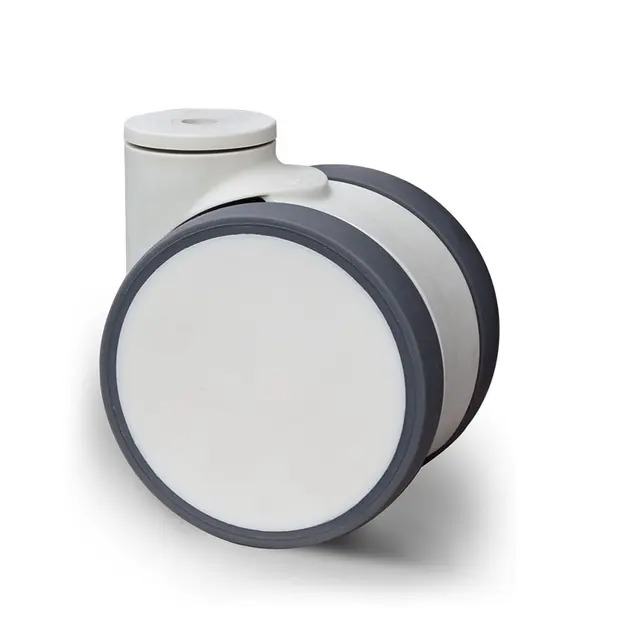
Plastic castors are everywhere—though you might not notice them unless they stop working. Let’s explore their use in some of the most common light-duty scenarios:
Probably the most well-known use of plastic castors is under office chairs. These allow users to move freely and reposition without standing. They also feature swivel motion, promoting better ergonomics and workflow in office settings.
In retail stores, plastic castors enable staff to easily rearrange displays, shelving, and promotional stands. This flexibility is crucial for creating seasonal layouts or accommodating customer flow during high-traffic periods.
Hospitals and laboratories often use carts equipped with plastic castors to move equipment, samples, or medication. The low noise and cleanliness standards of these castors make them suitable for sterile or controlled environments.
From whiteboards to mobile bookcases, plastic castors ensure that educators and students can adapt their space on demand. Their ability to smoothly glide across classrooms encourages dynamic learning environments.
| Feature | Plastic Castors | Metal Castors |
|---|---|---|
| Load Capacity | Light-duty | Medium to heavy-duty |
| Corrosion Resistance | High (non-rusting) | Low (may rust without coating) |
| Floor Impact | Minimal | Moderate to high (can scratch) |
| Cost | Low | Moderate to high |
| Noise Output | Very Low | High |
| Maintenance Requirements | Low | Medium to high |
From the table, it’s clear that plastic castors dominate in light-duty and low-noise environments, while metal castors are more suited for industrial and heavy-load situations.
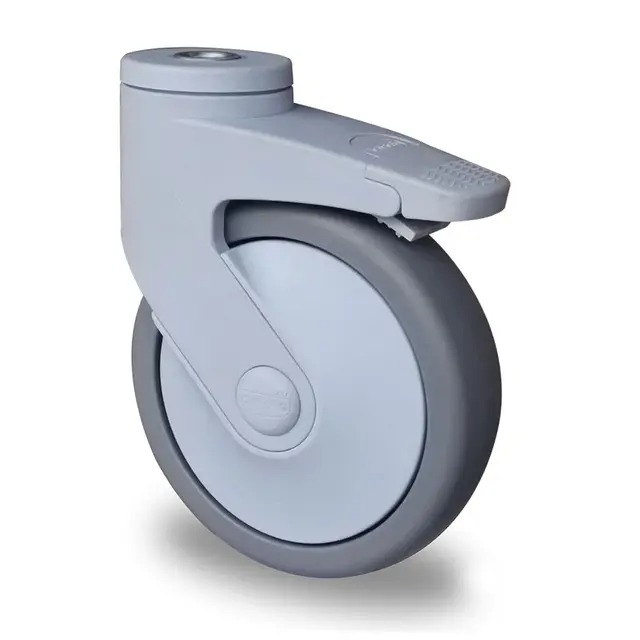
While plastic castors offer numerous advantages, selecting the right type involves several considerations to ensure optimal performance:
Always check the maximum load the castor can support. Even within the plastic category, there are different grades that cater to varying weight thresholds. Overloading a castor can reduce its lifespan and pose safety risks.
Plastic castors come in various materials—each with its unique strengths. For instance, polyurethane wheels offer better traction and are more resilient under moderate loads, while polypropylene is more affordable and lighter.
The type of mount (plate, stem, threaded) should match your equipment design. Some applications require swivel functionality for 360° rotation, while others may benefit from rigid castors for straight-line movement.
Not all wheels perform equally on every floor type. Smooth surfaces like tile or linoleum are ideal for hard plastic wheels, while slightly softer materials might be better for textured or uneven floors.
Yes, modern plastic castors are manufactured using engineered polymers designed to withstand repeated use in light-duty settings. While not as tough as steel castors, they are perfectly suited for environments where extreme loads aren’t a concern.
In general, plastic castors can be used outdoors, but only in dry and moderately rough conditions. Exposure to UV rays or extreme temperatures may degrade some plastic materials over time, so checking material specifications is advised.
Most plastic castors are designed to be non-marking and gentle on floors. However, it’s wise to pair them with floor mats or select softer wheel materials for hardwood or polished surfaces to ensure maximum protection.
Maintenance is minimal. Occasionally clean the wheels to remove dust or debris that could affect movement. Lubricate the swivel mechanism if needed and inspect regularly for cracks or wear.
In the realm of light-duty mobility solutions, plastic castors stand out as reliable, quiet, and cost-effective choices. Whether supporting office furniture, medical trolleys, or retail displays, they ensure smooth operation and reduce wear on floors and equipment. When selected properly based on material, load capacity, and floor compatibility, plastic castors can deliver years of uninterrupted service with minimal maintenance.

